Haibun for autumn leaves

For dverse

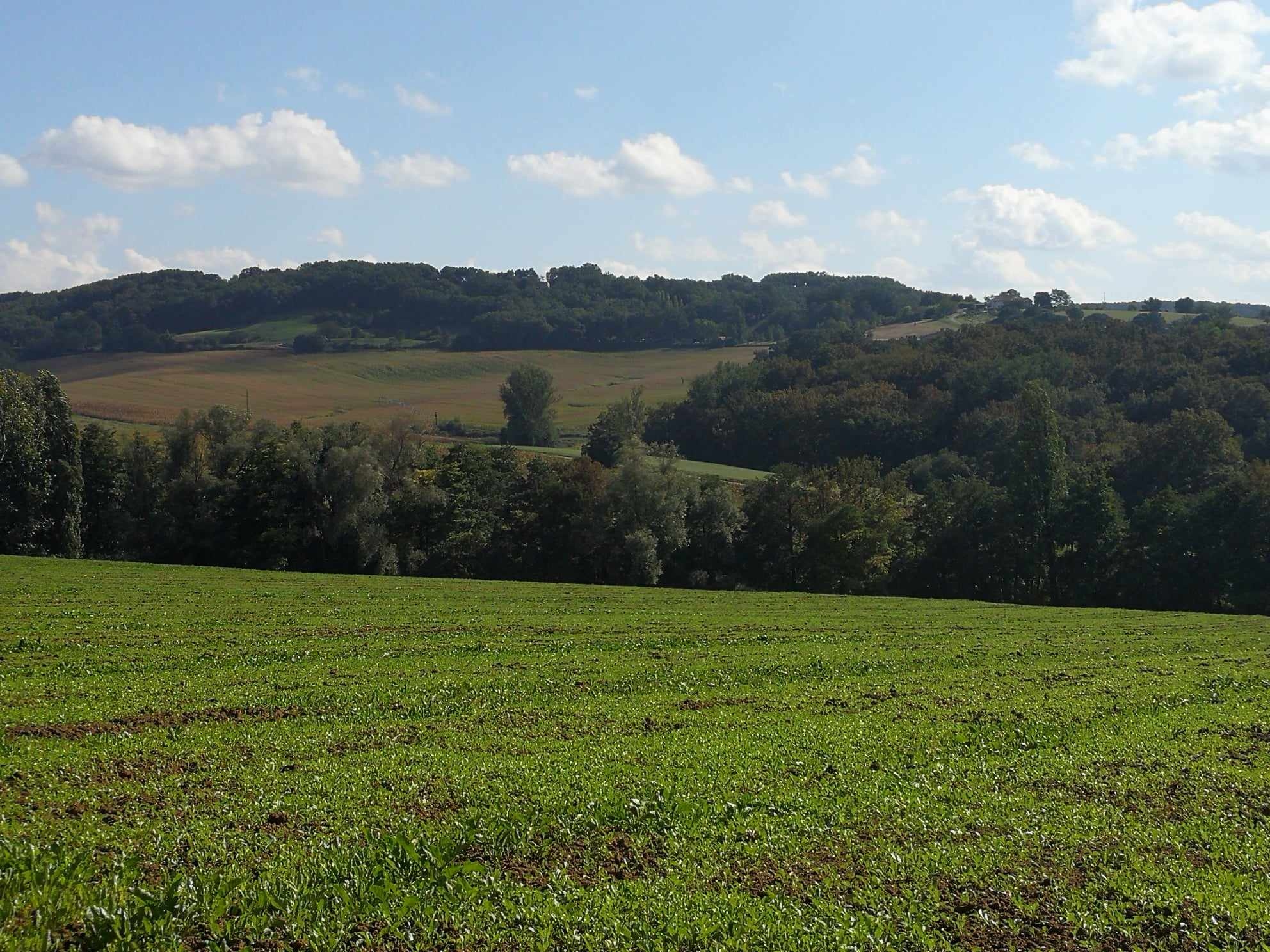
The light is the thing, the transformer, that changes dull, rain-slick, brown leaves into flakes of flame. Yesterday the world was grey-green, the dull green of ditch weed, the shadows beneath wet trees, the pewter grey of slanting sluices of rain. We trod layers of rotting vegetation, unrecognizable leaves, almost-peat, slippery and treacherous.

Today, in a sky too blue to look at, a brilliant sun sears, unobscured by the slightest wisp of cloud. Yesterday’s leaves flake away from one another, drift dry in the warm breeze, gold, orange and red, filling the balmy air with butterfly-flight, memories of summer.

A day of hot sun
and sudden bees butterflies
a wren cries summer.

Deluge

A poem of kennings for dverse.

Deluge

Roof-beater, the tambourine on the tiles,
water-xylophone, we listen behind closed shutters
for the torrent of pewter shafts to abate.

Ditch-filler, stream-singer,
you stir mud with silvered fingers,
churn earth into quagmire,

fill our anxious ears full of the roar
of cloud-spill, swollen water courses.
The rest of the world is silence.

The author

For dverse
Le Pho (1907 – 2001) Jeune fille au chat blanc, ink and gouache on silk

The author

I have seen them in cafés, the famous ones where I never go,
where coffee is five francs but the cachet is free.

They sit alone just behind the glass of the salle,
never on the terrace in the noise of passers-by,
the smell of traffic, the jostle of the crowd.

They sit at a table alone with a coffee, a notebook,
and an artistic expression, head poised in such a way
as to appear deep in thought for the right word,
while watching the boulevard for each new arrival.

I have seen so many like the girl at the corner table,
where the cold grey Paris light picks out the white
of the page, the artistic black strokes of handwriting.

I wonder which famous author she is waiting for,
or whether she, waited on, is the famous author,
watching the tide of the world wash up to her throne,
paying its respects.

I almost bow my head.

The lane that runs

The dverse prompt, to write a poem based on a line from Edna Saint Vincent Millay had me reading some of her poetry, which I’m ashamed to say, I didn’t know at all. It’s lovely! The following poem is a sort of tribute.

The lane that runs

The lane that runs by this old house is new,
a lick of tarmac on a cart track, passing through
from farm to farm, field to field.

Not lovely in a photogenic way,
not draped in tree boughs making night from day,
no bluebelled banks, no grazing cows.

It dips and rises, bending out of sight,
where ditches cross, and hedges, berry-bright,
fringe an old divide.

Not so long ago was this narrow ribbon laid ,
that the sounds have faded that the old carts made,
in slower, richer air,

and in the evening, bird-soft, turning into night,
I see them passing in the failing of the light.

Oystercatchers

For dverse. I was writing a poem about oystercatchers, so this prompt seemed apposite.

Oyster

Deep water, dark and silent flows,
where waving weed and fishes dart,
and hidden rainbowed pearl shell glows.
Deep water, dark and silent flows,
though storm and icy north wind blows,
and moon pearl light warms ocean’s heart,
deep water. Dark and silent flows
the waving weed, where fishes dart.

Catcher

So many hunters haunt the deeps
in lake weed hid, the perch and pike,
in deep shade where the willow weeps.
So many hunters haunt the deeps;
where night is king and daylight sleeps,
pike darts, a deadly lighning strike.
Though many hunters haunt the deeps,
in lake weed hide, the perch and pike.

Oystercatcher

Birds wade their world, a liminal space,
magpie-dappled and never still,
on mirror sands walk with pied grace.
Birds wade their world, a liminal space,
cast magpie eye on death. They race
to turn the tide, sift pearls until
birds wade their world, this liminal space,
magpie-dappled and never still.

Sunflowers

For dverse

Sunflowers

Whispering, paper-thin voices in the wind’s breath,
sunflowers, heavy-headed, pass the word,
a sigh, a lament, and in the gale, a wailing
for summer lost, the cold coming to the bare earth.

And I hear the warning in the whispers
to the hungry, settling their ragged flight,
beware the merciless with their guns
waiting to reap the final harvest.

I will hear those frail threadbare voices,
the crack of the guns, and the rattle
of wing feathers, the winter long.

Another world

For dverse, an ekphrastic poem inspired by this Hopper painting.

Another world

The scene is surreal, austere,
perhaps elegant to some,
but calm, unemotional,
a Protestant church, a bank,
the surgery of a famous doctor.

I would not know how to walk
across that poisonous green floor
among those unreal people,
how to take what I am and what I know
into that strangely bloodless world.

How did they speak, walk,
a raincoat folded casually over an arm,
read fashion reviews, movie gossip,

how did they live in such cloistered space,
quiet, serene, untroubled,
in 1943?

Autumn

For dverse. I walked up to the top of the hill today, where there’s a pool so full of vegetation it’s hard to see the water. It’s a mass of valerian, marsh irises and another plant whose name I’ve forgotten, and dozens of butterflies. An odd place on the edge of a field of sunflowers.

Autumn

this lumber room at year’s end,
packed with tired tangles of herbes folles,
rampant foissonement of summer’s construction,
spread and seeded,
a higgledy-piggledy stacking up
of the used but still useful.

Like a joyous crowd after the party,
ambling home, vibrant-clad,
but fading now and drying,
parchment papyrus stretches roots
in the cool of secret pools,
beneath a sky scudded with cloud,

and before the door closes,
nods to the cooling sun, as if to say,
Until spring then?